Goal Generalization
An image model labels snowmobiles correctly. You place the same vehicle on grass and confidence collapses. Then you remove the vehicle from a snowy image and the model still predicts “snowmobile.”
The model learned a feature that was useful in training and wrong for the intended concept.
Goal Probe
Ask whether the model found a snowmobile or found snow
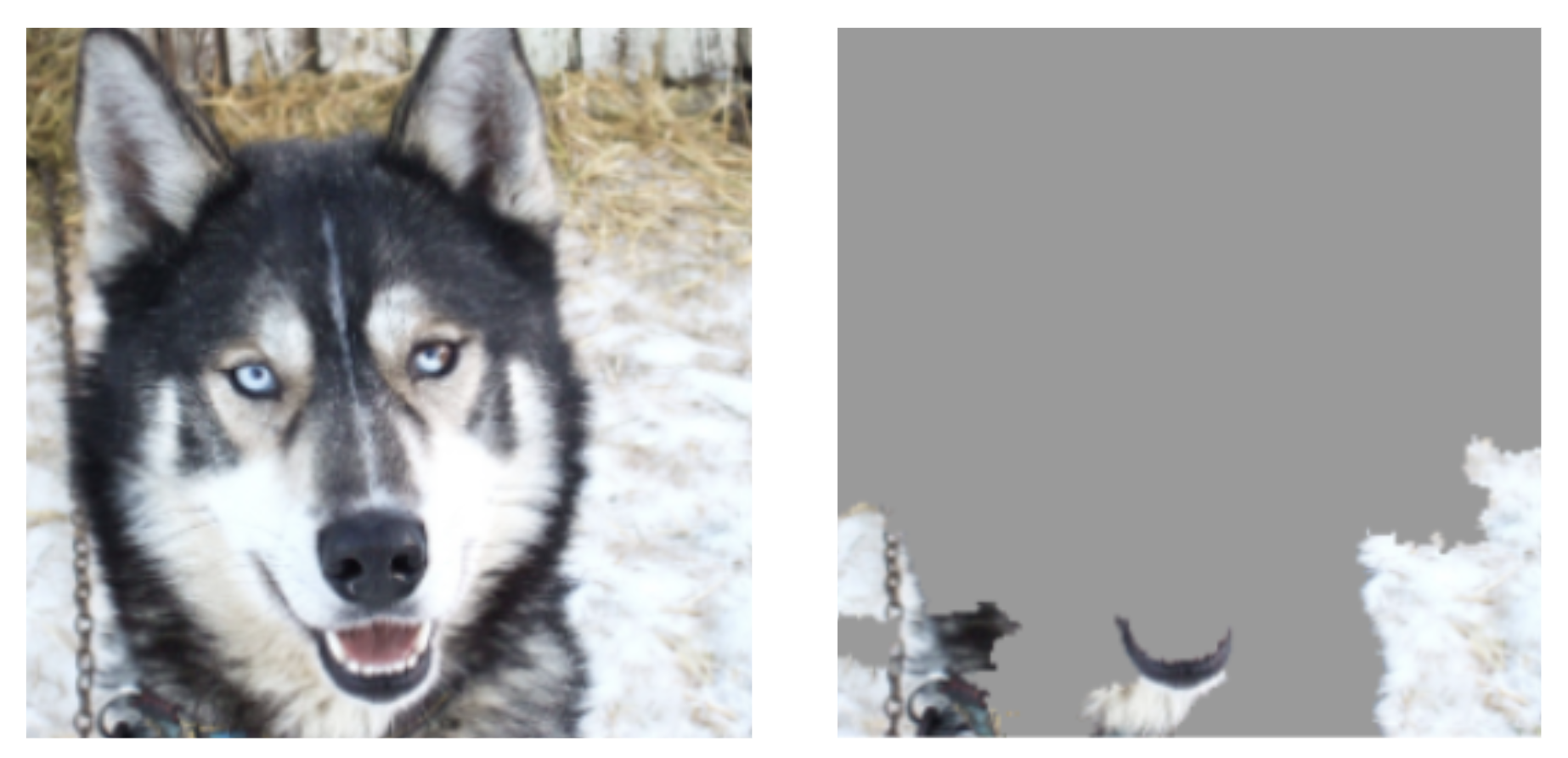
Goal-generalization tests create environments where the intended feature and shortcut disagree. These tests are stronger than adding more random examples because they ask a causal question: which feature controls the behavior?
For an agent, probe whole trajectories. A warehouse policy may reach the correct shelf in familiar layouts because shelf location correlates with a painted line. Move the line and preserve the shelf to see what the policy actually pursues.
Why is a snowmobile-on-grass example especially informative?